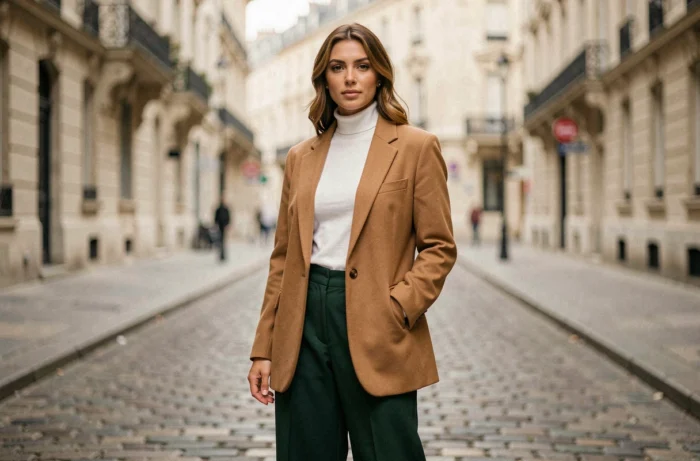
We open the closet one October morning, and nothing works. Last year’s blazer looks dull, the colors no longer match, and the silhouette seems off. This discrepancy between what we own and what we see in the window is not a question of budget, but of understanding proportions, materials, and shades that change each season. Here are some concrete areas to work on to create a unique style this autumn-winter, without replacing everything.
Purple as a cornerstone piece in a neutral wardrobe
When looking for a color that can elevate a wardrobe made up of black, gray, and beige, purple stands out this season with a notable presence on the runways. Vogue France notes its appearance in over twenty autumn-winter 2026-2027 shows, with a confirmed rise according to the Tagwalk platform.
In practical terms, you don’t need to dress in purple from head to toe. One purple piece is enough to structure an entire outfit: a ribbed knit sweater worn over charcoal straight-leg pants, or a thick scarf tied around a camel coat. The idea is to treat this color as a focal point, not as a total look.
A common pitfall is choosing a purple that is too electric for one’s complexion. Aubergine or plum shades work for most skin tones, while lavender purple is better suited for lighter tones. If unsure, test it first with an accessory (bag, beanie, gloves) before investing in a key piece. To keep track of these palettes as collections evolve, the fashion trend notebook allows you to quickly spot the rising colors.
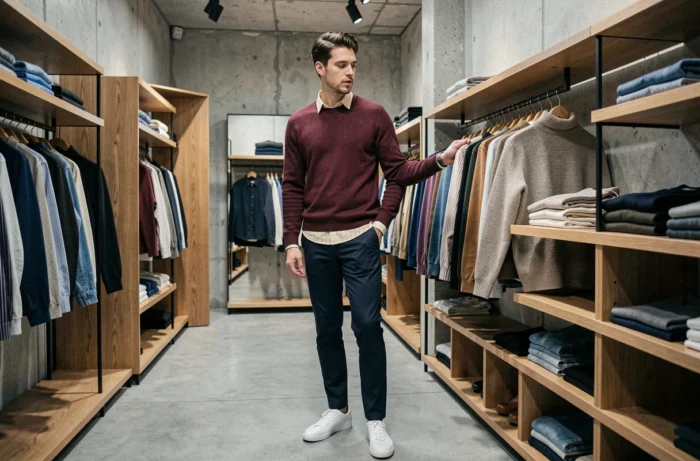
Structured silhouettes for autumn-winter: the return of defined shoulders
Constructed fashion is back. After several seasons dominated by fluid oversized styles and relaxed cuts, defined shoulders and tailored waists are making a comeback. We’re talking about shoulder-padded blazers, fitted coats, and short jackets with sharp cuts.
This trend changes how we put together outfits on a daily basis. A structured blazer worn over a simple white t-shirt and straight jeans creates a more assertive effect than a pile of soft layers. The key lies in the contrast: an architecturally designed top paired with a simple bottom.
Adapting structure to your body shape
On a V-shaped silhouette (broad shoulders, narrow hips), avoid doubling the effect with massive shoulder pads. Opt for a blazer with natural shoulders but a fitted cut. On an A-shaped silhouette (wider hips), defined shoulders help balance proportions. The result depends less on the piece itself than on where it stops in relation to the waist and hips.
Materials to favor for a sustainable autumn-winter look
We often talk about cuts and colors, but rarely about the fabric we touch every day. The material determines the drape, thermal comfort, and longevity of a garment. This season, two families of textiles stand out.
- Dense wools (tweed, flannel, wool cloth): they maintain the structure of jackets and coats without deforming after a few wears. A wool coat keeps its shape much longer than a polyester-lined model.
- Leather and its soft alternatives: soft leather is back in midi skirts and short jackets, with a matte grain rather than shiny. Plant-based alternatives are progressing, but their durability varies by manufacturer.
- Thick knits (ribbed, twisted): they replace sweatshirts as layering pieces. A chunky knit sweater worn under a trench creates controlled volume without weighing down the silhouette.
A useful reflex before a purchase: check the composition on the label. A high percentage of natural fibers (wool, cotton, linen) generally ensures better aging than a predominantly synthetic blend.
Creating a unique style without replacing your entire wardrobe
Embracing the fashion trends of the season doesn’t mean starting from scratch. Three or four well-chosen pieces are enough to refresh an existing wardrobe. The challenge is to target the elements that truly change the perception of an outfit.
The targeted replacement method
First, identify the category of clothing you wear most often. If it’s pants, invest in an updated cut (high-waisted, slightly flared straight leg). If it’s jackets, replace the old one with a model that has more defined shoulders. The rest of the wardrobe adapts around this key piece.
This approach also works with colors. If purple attracts but intimidates, start with a sweater or a scarf. If dark shades dominate the closet, introduce a single contrasting element (a burgundy bag, a pair of cognac ankle boots) to break the monotony.
Second-hand and upcycling as a style lever
The second-hand market offers direct access to quality structured pieces, often in wool or leather, at a fraction of the new price. A vintage blazer from the 1990s, with its defined shoulders and short cut, matches exactly the silhouette sought this season. Second-hand is not a compromise; it’s a shortcut to materials and cuts that are unavailable in fast fashion.
European regulations are evolving on textiles and unsold goods, which should gradually facilitate the traceability of second-hand pieces. A digital textile passport is being prepared at the European level, with adoption expected by the Commission in 2027, although the timeline may still change.
Color and accessory tips to assert your women’s look
Beyond purple, the autumn palette relies on combinations that are less obvious than they seem. Black and white remain safe bets, but combinations of warm tones (rust, mustard, chocolate) create a depth effect that cool tones alone do not produce.
On the accessory side, volumes are increasing. Large bags, thick scarves, and statement jewelry (chains, sculptural earrings) serve as style markers. One voluminous accessory per outfit is enough; beyond that, the whole loses clarity.
Adapting trends to your daily reality remains the best filter. A piece that you don’t wear three times in a month probably didn’t belong in the cart. A unique style is built not in one order, but through successive adjustments, season after season.