
A torn sofa, a scratched table, and suddenly the good deal turns into bitterness. The transport of furniture between individuals lacks any systematic guarantee offered by professional carriers. The majority of incidents reported during these exchanges involve material damage or disputes regarding the condition of goods upon arrival. Contrary to popular belief, home insurance does not always cover these moves.
The rise of collaborative platforms multiplies intermediaries and complicates the selection of a reliable service provider. The price differences between economical solutions and specialized services raise delicate trade-offs that are often overlooked at the time of decision-making.
Why transporting furniture between individuals can quickly become a headache
Using furniture transport between individuals seems financially appealing, but this choice exposes one to many disappointments. Behind the apparent simplicity lies a meticulously organized process: selecting the right vehicle, accurately gauging the weight, anticipating access to the residence, and calculating the volume to be moved. Each piece of furniture, due to its size or weight, imposes concrete constraints that can easily be underestimated. An antique wardrobe or a corner sofa often requires more than a makeshift van.
Outside of a professional context, improvisation often reigns. Incidents, scratches, breakages, and losses slip into the slightest organizational flaw. Co-transportation platforms offer the advantage of sharing costs, but they do not systematically ensure the reliability of the driver. Prices vary according to distance, volume to be transported, or even the need for temporary storage or on-site delivery.
Exchanges between individuals come with a degree of uncertainty: vague quotes, lack of follow-up, and sometimes no insurance coverage. Organizing furniture transport between individuals is therefore not just a matter of budget. It is about betting on reliability, ensuring the safety and preservation of the entrusted furniture. The file “Furniture Transport Service: Who Takes Care of It? – Concept Habitat” highlights the importance of surrounding your approach with solid guarantees and proven solutions.
How to properly pack and protect your furniture to avoid unpleasant surprises
A successful shipment starts with how the furniture is protected. The packaging is the step that separates intact furniture from unpleasant surprises upon arrival. Poorly prepared furniture suffers from scratches, shocks, and the risk of breakage, especially during successive handling.
Protection should be considered according to the nature of each item. Fragile furniture, display cases, mirrors, coffee tables, require a thick envelope: bubble wrap for sensitive surfaces, foam corners to absorb impacts. Seats and mattresses should be placed in airtight covers, and stretch film protects against moisture. Moving blankets act as shock absorbers for bulky items.
To ensure the solidity of your preparation, here are some reflexes to adopt:
- Dismantle, whenever possible, wardrobes, beds, or large tables: this limits breakage and facilitates handling.
- Place screws and fittings in labeled bags, then attach them under a part of the relevant furniture.
- Fill empty spaces in boxes with fabric or crumpled paper to prevent any unwanted movement.
The choice of materials makes a difference: double-walled boxes for heavy items, plastic wrap to group elements, straps to secure everything in the vehicle. Plan for appropriate tools: a dolly for heavy loads, carrying straps to navigate stairs. A final check before departure is essential. Meticulous packaging is not wasted time: it is the guarantee of a furniture transport without unpleasant surprises upon arrival.
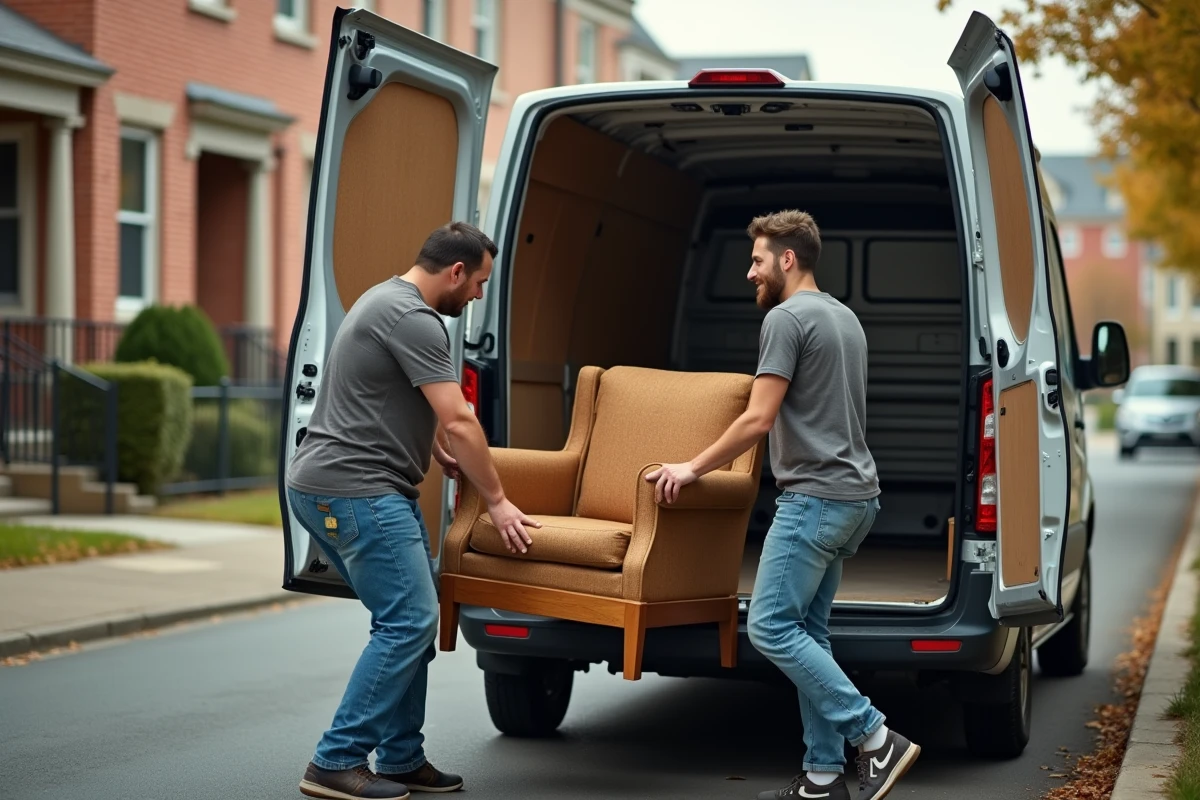
Small budgets, big solutions: finding a reliable carrier without breaking the bank
Finding a reliable carrier when funds are limited is like an obstacle course. Furniture transport between individuals is attractive due to its accessible rates, provided one remains vigilant and organized. Sharing trips through co-transportation platforms allows for optimizing the space of a vehicle already on the road and reducing the bill while limiting the carbon footprint. The next step is to verify the reliability of the contact and the actual protection offered to your furniture.
The price varies according to several parameters: volume, weight, distance, but also additional services such as handling or assembly. Before committing, a request for a detailed quote is essential. Pay attention to the clarity of the terms: who is responsible for loading and unloading? The contract should specify the conditions of insurance, a point that should never be overlooked, as it protects your belongings in case of breakage or loss. Professionals often include this guarantee, while among individuals, one must ensure the existence and extent of coverage.
Some providers like Colissimo or Chronopost accept the shipping of bulky furniture, within the limits of authorized sizes and weights. Check reviews, analyze feedback, and take the time to verify the carrier’s reputation. Organizing seriously means combining research, discernment, and anticipation of unforeseen events. Saving on transport costs should never result in damaged furniture or unresolved conflicts. It is these details, and nothing else, that make the difference between a satisfying transaction and a bitter memory.