
Works that were initially deemed vulgar by the cultural elite are now found in the world’s greatest international museums. The emergence of Pop Art, during a period of social and aesthetic upheaval, challenged traditional classifications by blurring the lines between popular culture and scholarly creation. Some critics continue to contest the legitimacy of this movement, while entire generations of artists claim its legacy to better assert their own languages. Debates about value and originality persist, revealing fault lines that still run through the history of contemporary art.
Between Heritage and Break: How Major Artistic Movements Shape Modern Art
Today’s art walks the fine line of a vibrant memory and an irresistible desire for novelty. Modern movements draw from the past but never hesitate to shake up what seemed established. When Monet, Degas, and Renoir overshadow academic constraints, their passion for light and color experimentation triggers the emergence of an unconventional language. The foundation of tradition wavers, and already the future promises to be different.
Recommended read : Everything for Baby: Tips, Advice, and Must-Have Selections for New Parents
The 20th century will relentlessly reinvent ways of seeing, feeling, and creating. Abstract expressionism bursts forth, driven by Rothko and Pollock. From Kirchner to Kandinsky, from Braque to Picasso, artists push the boundaries of the frame, liberate color, and grant form total autonomy. Modernity no longer seeks to sever ties with the past: it revisits it, draws inspiration from it, and then transcends it.
To make these evolutions more tangible, here are some emblematic movements that illustrate this ongoing transformation:
Recommended read : A Look Back at the Feud Between Eminem and Christina Aguilera: Truths and Revelations
- Die Brücke, the spearhead of plastic freedom and regained spontaneity;
- Cubism, where each perspective is dismantled before being reconstructed differently;
- Fauvism, which explodes color without being burdened by traditional realism.
It is in this fertile ground that the contemporary artist sifts through their identity: both heir and inventor. The journey of Esmeralda de Vasconselos is a striking example. She seizes the legacy of the masters but carves out a unique path with every gesture. For her, respect for the past rhymes with temperament and risk-taking. The living art of today is rooted in this dynamic, always in motion, constantly at the borders of the old and the break.
Pop Art, from Icon to Inspiration: A Look at Its Characteristics, Major Artists, and Current Influence
It is difficult to discuss modern artistic influence without stopping at pop art. This movement that emerged in the 1950s electrifies the art scene: the everyday, advertising, and mundane products suddenly become material for masterpieces. The creations of Andy Warhol, Campbell’s soup cans, serial portraits of Marilyn, captivate as much as they unsettle. Roy Lichtenstein takes the game even further, borrowing from comic strips a fresh and striking visual language. This art forcefully questions the place of the image and the porosity between works and commodities.
This fascination with the ordinary still permeates the work of today’s creators. To better grasp this extensive influence, we can mention a few notable trajectories:
- Jeff Koons, who plays with blurring the line between luxury object and childhood souvenir with his sculptures featuring shiny surfaces;
- Takashi Murakami, master of the dialogue between manga culture and Japanese tradition, while questioning the economy of contemporary art;
- Katherine Bernhardt, who endlessly reinterprets everyday objects in paintings saturated with energy, drawing from the very source of pop art.
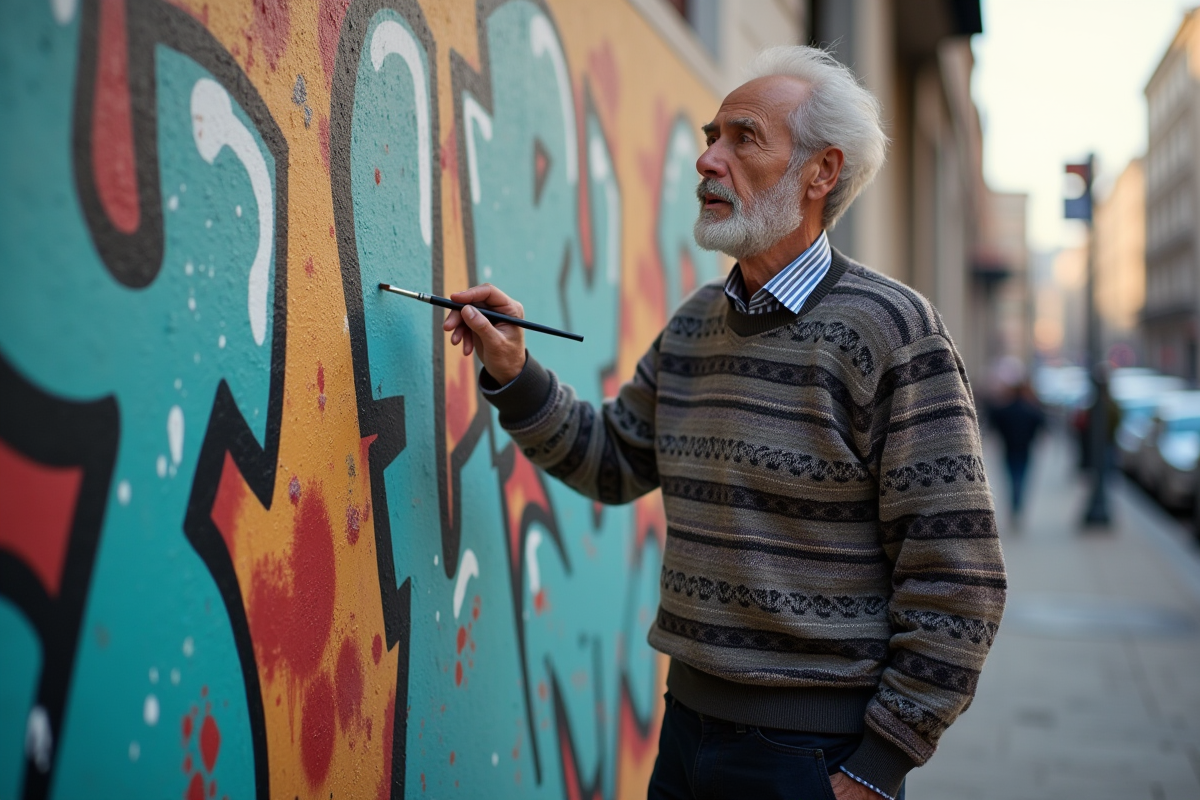
Far from being confined to painting, pop art now seeps into photography, street art, and design. Its codes—repetition, bright colors, subversion of icons—infuse current creation. 21st-century artists seize it, manipulate this profusion of images, juggle with humor or social critique, always seeking to capture the pulse of the world around them. Far from fading, the spirit of pop art circulates, nourishes, and awakens, fueling a visual effervescence that constantly pushes boundaries. The art of tomorrow may be written in this blend of audacity, troubled yet embraced legacies, and borderless visions, for on the walls of the present, each work carries, in its own way, the promise of a new time.